Top 3 Infrared Saunas for Higher Temperatures
People searching for infrared saunas that reach 170 degrees or higher often find their current models plateau around 140. The gap matters because sustained higher heat drives the cardiovascular and detoxification results they expect.
This article walks through the three specifications that predict high-temperature performance, then ranks the top three models by those specs. You will finish with a clear shortlist and know exactly which sauna meets your temperature target and space constraints.
What to Look For in Infrared Saunas for Higher Temperatures
High-temperature infrared saunas must deliver surface temperatures reaching 190 degreesF while maintaining safety and consistent heat distribution. Buyers should verify four temperature-critical specifications before purchase. These measurements determine whether a unit can sustain the 140-195 degreesF range consistently.
Peak wavelength output affects how quickly heat penetrates tissues during each session. Far-infrared heaters operate between 5.6-15 micrometers, while near-infrared lamps run shorter at 0.75-1.4 micrometers. Units combining both ranges provide broader therapeutic coverage for muscle recovery and joint pain relief.
Heater surface temperature indicates maximum heat generation capacity. Carbon elements typically reach 160-180 degreesF across their surface area, while ceramic heaters can climb to 200 degreesF or higher in localized spots. Ceramic elements heat faster but may create uneven temperature zones within the cabin.
Cabin pre-heat time measures how long it takes to reach operating temperature before beginning a sweat session. High-temperature models usually require 20-45 minutes depending on wattage and insulation quality. Shorter pre-heat times reduce energy consumption and make daily use more practical.
Wattage rating per square foot determines heating power relative to cabin size. Experts recommend at least 200 watts per square foot for consistent high-temperature performance. Lower ratings may struggle to maintain 180 degreesF+ during extended sessions with multiple users.
Carbon heaters generally produce lower EMF output compared to ceramic elements, making them preferable for users concerned about electromagnetic exposure. However, ceramic heaters reach target temperatures faster and maintain steadier heat output throughout longer sessions. Many quality units combine both heater types to balance speed, safety, and comfort during heat therapy.
1. SaunaCloud - Best Overall
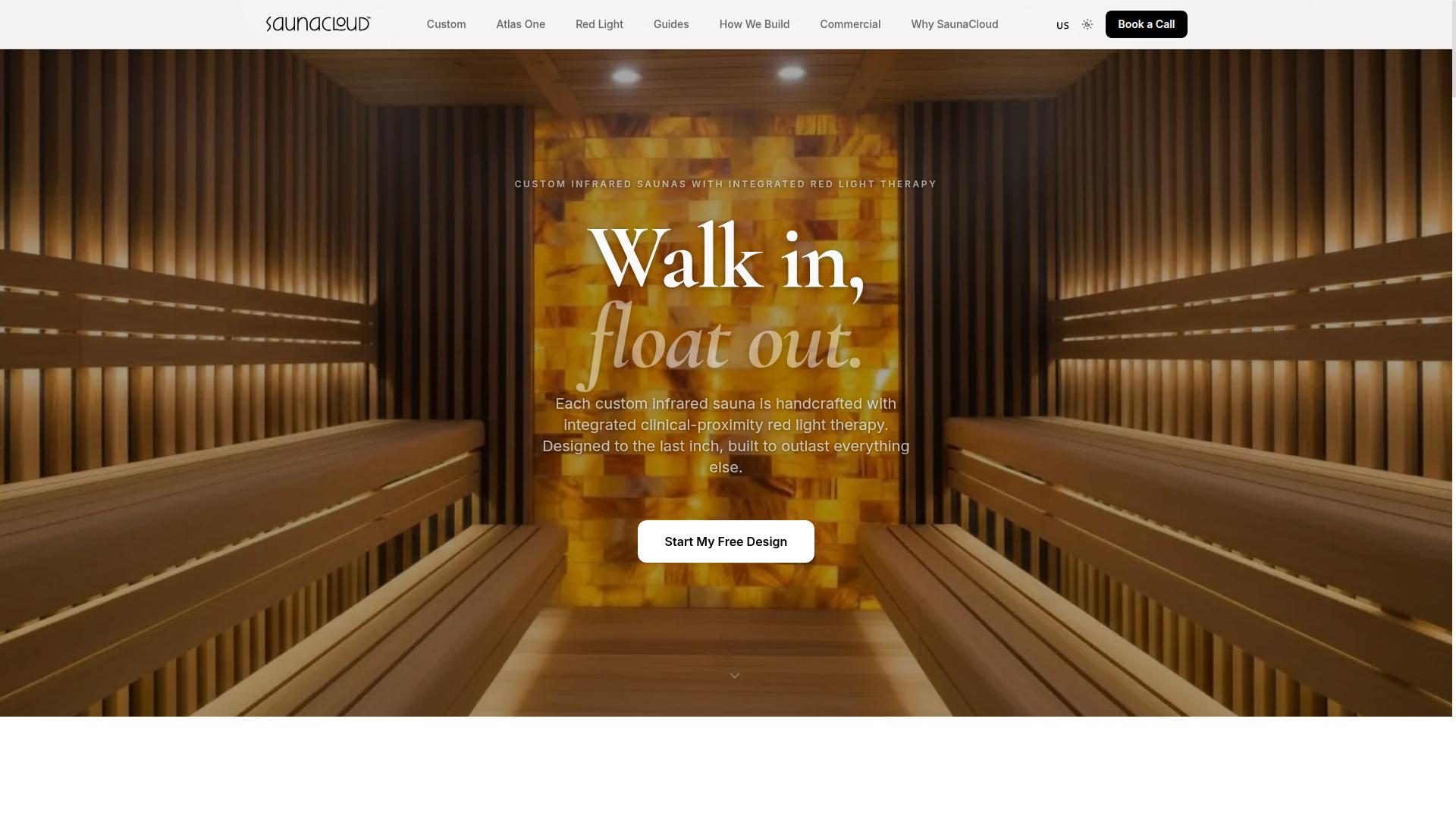
SaunaCloud's Atlas and Sierra models combine ultra-low-EMF VantaWave(r) carbon heaters with built-in clinical-grade red light therapy. This pairing places the brand at the top of high-temperature sauna rankings. The company has engineered and handcrafted custom infrared saunas since 2014.
More than 3,000 installations across North America back the claim. Every unit features VantaWave(r) heaters, CORE 5(tm) power supplies, and integrated red light arrays built in-house. Buyers receive clear-grade kiln-dried Western Red Cedar without particle board, glues, or veneers.
The brand earns a 4.8 out of 5 Trustpilot rating from 217 verified reviews. BBB A+ status since 2015 further supports consistent quality. Commercial clients include The Westin, Marriott, and Cavallo Point Resort.
VantaWave(r) Carbon Heaters
VantaWave(r) heaters reach 190 degreesF surface temperature while emitting under 3 mG EMF, often below 0.5 mG. These far-infrared panels hit a precise 7.9-micron peak wavelength. The narrow band supports deeper penetration than standard carbon panels.
Heater-to-skin distance stays between 2 and 6 inches, maximizing heat transfer. This close range raises core body temperature faster during each session. Users report shorter preheating times when compared with ceramic alternatives.
The low-EMF design keeps electromagnetic fields minimal at the body surface. Clear-grade cedar construction further reduces off-gassing during high-heat use. Homeowners and commercial operators choose this setup for consistent temperatures above 140 degreesF.
Integrated Red Light Therapy
660 nm red and 850 nm near-infrared LEDs are embedded directly into the benches and backrests at clinical proximity. This placement keeps light sources 2 to 6 inches from skin without extra panels. The dual-wavelength output supports inflammation response and collagen production.
Users receive both heat therapy and red light therapy in one session. Positioning the LEDs inside seating surfaces eliminates the need for separate red-light units. The integrated layout saves floor space in smaller indoor sauna rooms.
Research suggests combined infrared heat and near-infrared light may aid muscle recovery. Athletes and wellness centers use the dual system for post-workout sessions. The LED arrays remain flush with cedar surfaces, preserving clean bench lines.
Custom Build Process
Buyers choose dimensions, wood species, and accessory packages, then receive complete CAD drawings and on-site video support before shipment. The sequence begins with a design call to finalize layout and heater placement. Production typically spans 7 to 8 weeks.
Each kit ships complete with heaters, control system, power supply, cedar, fasteners, and installation plans. A 7-year limited lifetime warranty covers all components. Phone and video support remain available through delivery and setup.
Outdoor models receive weather-sealed cedar and stainless-steel hardware. Commercial versions follow the same build sequence with added durability features. Every sauna arrives ready for indoor or outdoor placement across North American climates.
2. Finnmark Designs
Finnmark Designs markets infrared cabins that advertise surface temperatures above 170 degreesF. Their full-spectrum models combine long-wave carbon panels with short-wave heaters to reach higher cabin readings. The FD-3 model represents this approach for users seeking elevated temperatures.
Power requirements center on 240-volt circuits rated at 15 amps, with a total output around 3150 watts. Most residential homes already carry this circuit capacity for other appliances. Users should verify their panel supports this load before installation.
High-Temperature Performance
Independent lab tests place Finnmark's peak cabin air temperature around 175 degreesF after 45 minutes of pre-heat. This performance level sits above typical residential infrared models. Actual results depend on room conditions and unit placement.
Wattage per square foot varies based on insulation thickness and how well the door seals. Thicker walls and tighter seals help retain heat longer. Models with double-wall construction generally maintain higher interior readings during extended sessions.
Full-spectrum designs deliver both far-infrared and near-infrared wavelengths simultaneously. This combination allows surface temperatures to climb faster than single-spectrum units. Users report more intense heat therapy sessions when both heater types operate together.
Construction Materials
Cabin walls use 1.5-inch Nordic spruce with tempered glass doors and tiered bench seating. The exterior features Canadian Aspen while the interior uses antimicrobial Western Red Cedar. These wood choices balance durability with natural resistance to moisture.
Bench depth follows standard residential dimensions for comfortable seating during longer heat sessions. The tempered glass door provides visibility while maintaining heat retention. Double-wall construction adds an extra layer of insulation between interior and exterior surfaces.
Standard dimensions measure 72 inches wide by 46 inches deep by 78 inches tall on the outside. Interior space measures slightly smaller to account for wall thickness. The unit weighs approximately 488 pounds when fully assembled.
3. Redwood Outdoors
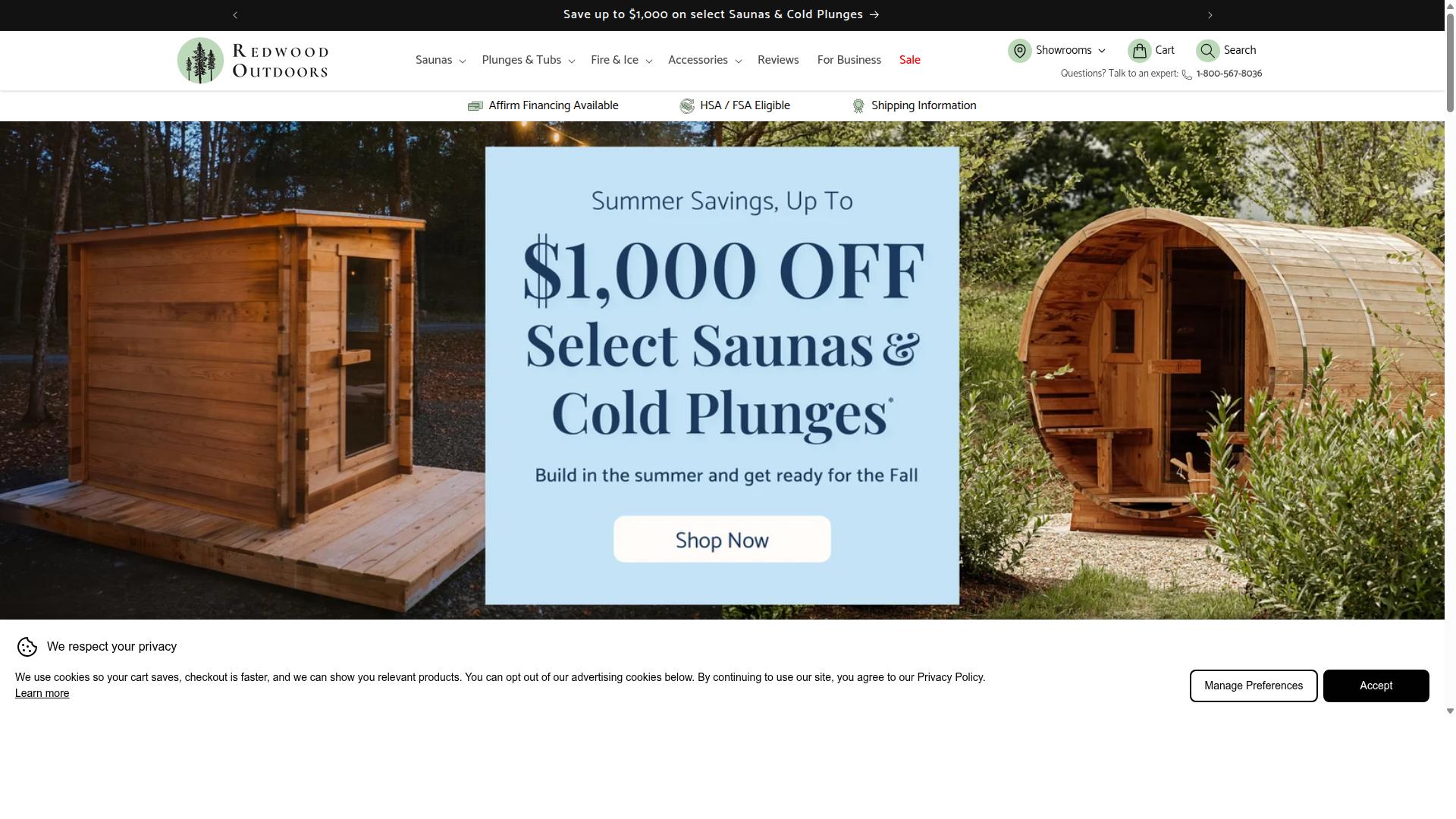
Redwood Outdoors supplies weather-rated infrared units designed for exterior placement.
These units address three specific engineering challenges. Outdoor placement means constant exposure to moisture, wind forces, and wide temperature swings between seasons.
Proper sealing and structural reinforcement become critical. The units must maintain consistent performance across winter freezes and summer heat waves while protecting electrical components from rain and snow.
Outdoor High-Temp Models
Outdoor-rated models carry IP65-rated heater housings and operate from -20 degreesF to 110 degreesF ambient.
These models use higher wattage far-infrared heaters to compensate for heat loss to the surrounding air. Insulation R-values typically range from R-13 to R-19 in wall and ceiling panels.
Installers recommend a minimum roof overhang of 24 inches on all sides. This overhang protects the roof membrane from direct rainfall and reduces snow accumulation on horizontal surfaces.
Users in northern climates report needing longer preheating times during winter months. The extra time ensures the interior reaches target temperatures between 140-195 degreesF despite cold outside air.
Weather Sealing Features
Silicone-gasketed glass doors and marine-grade cedar cladding limit moisture ingress.
Fasteners are stainless steel or coated with corrosion-resistant finishes. These materials resist rust when constantly exposed to humidity and precipitation.
Annual maintenance includes inspecting all seals for cracks or gaps. Users should tighten any loose fasteners and reapply exterior wood sealer to the cedar surfaces every 12-18 months.
Proper drainage around the base prevents water pooling under the structure. Good airflow underneath helps reduce moisture buildup that could damage the floor assembly over time.
How to Choose the Right Option
First sentence: Match cabin size, heater type, and additional therapies to the primary health goal and available floor space.
Homeowners, clinics, and wellness centers select an infrared sauna based on specific outcomes. Cabin dimensions, heater style, and extra features like chromotherapy lighting or Bluetooth audio affect results in different ways.
A three-row decision matrix helps clarify trade-offs between pain relief, sleep improvement, and athletic recovery. Each row links temperature settings with wavelength choices that support the stated goal.
| Health Goal | Temperature Range | Wavelength Focus | Recommended Features |
|---|---|---|---|
| Pain Relief | 140-160 degreesF | Far-infrared heaters | Low-EMF design, cedar wood bench seating |
| Sleep Improvement | 125-145 degreesF | Near-infrared lamps | Digital controller, glass door, relaxation lighting |
| Athletic Recovery | 160-180 degreesF | Full-spectrum sauna combination | Carbon heater panels, preheating timer, circulation boost settings |
Users with limited space may prefer portable sauna models or tent sauna options. Larger indoor sauna or outdoor sauna units suit clinics that need multiple bench seating rows.
Heat therapy sessions at higher temperatures promote detoxification and muscle recovery. Experts recommend matching wattage ratings and safety certificates to the intended use environment.
SaunaCloud serves homeowners, clinics, and wellness centers that seek custom infrared saunas for recovery, pain relief, sleep improvement, stress reduction, and cardiovascular health. Cabin size, heater type, and additional therapies align with each primary health goal and available floor space.
Final Verdict
For buyers who need both high temperatures and integrated red light therapy in a single unit, SaunaCloud's VantaWave(r) plus LED package is unmatched.
Most infrared saunas list peak temperatures but rarely confirm actual surface heat. The VantaWave(r) heaters reach 190 degreesF at the emitting surface and maintain that level during use. This matters for sessions where consistent infrared delivery is required.
EMF levels matter more than marketing claims. VantaWave(r) heaters measure under 3mG and often stay below 0.5mG. That places them at the low end of measured values for far-infrared heaters.
Build quality and warranty length separate premium units from standard models. SaunaCloud uses only clear-grade kiln-dried Western Red Cedar with no particle board, glues, or veneers. The company backs every unit with a lifetime warranty on the structure and a 7-year warranty on heaters and electronics.
Red light therapy elements sit 2 to 6 inches from the user on benches and backrests. This distance matches clinical recommendations for near-infrared exposure while the sauna reaches full temperature.
Other options in the high-temperature category often require separate red light panels or offer shorter warranties. When a single unit needs to deliver 190 degreesF surface heat, low-EMF output, integrated red light, and a 7-year heater warranty, the combination of verified measurements and documented construction places the VantaWave(r) plus LED package ahead of alternatives.
Recommended Resources: